AI Can Prepare You for Your ART Attorney. It Can't Replace One.
By: Meg Mars, Esq. of Trachman Law Center
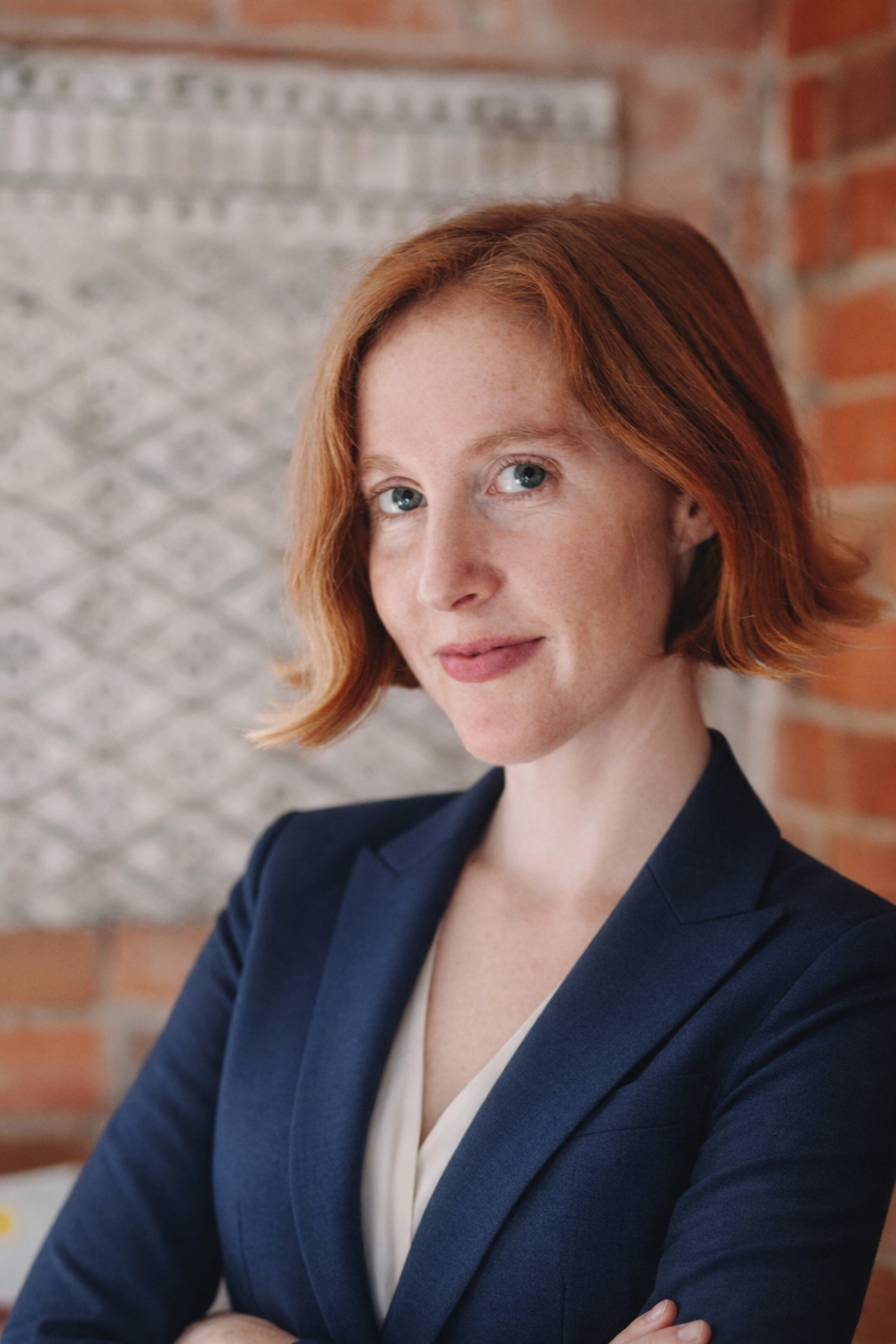
Meg Mars, Esq.
There’s a version of this life-changing moment where someone who is about to become a parent through surrogacy or a gamete donation thinks, I'll just use AI to draft the contract.
The impulse is understandable. AI has proven it can do a lot of things well, and it’s already reshaping how people approach legal questions in general, including in assisted reproductive technology (ART). Used the right way, it can be a genuinely useful part of how intended parents, donors, and surrogates prepare for this process. But used the wrong way, it can introduce risk into one of the most consequential agreements of your reproductive life.
AI is changing how people approach surrogacy agreements, and that much is indisputable. People no longer have to walk into their first attorney meeting cold, and that's a real shift (and a supportive one) because informed clients can make better decisions and ask sharper questions.
But here are a few things AI might not know when it generates your agreement. It could misinterpret your state’s current statute or how courts have interpreted it. It likely won’t know that a compensation structure that looks routine may violate ethical guidelines or be below industry standards. It also won’t know that a disposition provision for unused embryos needs to anticipate scenarios tailored to your specific situation and your specific plans.
And sometimes AI simply invents the law. AI tools are known to fabricate statutes, misstate holdings, and cite cases that don’t exist, and they do so with confidence. AI can generate language that looks correct and appears plausible, but in ART law, plausible but wrong can have lasting consequences.
There’s a structural reason for this. AI tools are trained on a mix of statutes, case law, commentary, and general contract language, often blended across jurisdictions. That means they can sometimes surface real inconsistencies in how different states (or countries) handle ART, which is useful to know. But it also means they can flatten real differences into something that reads as settled when it isn’t. And AI doesn’t know what it doesn't have data on.
The agreements that govern surrogacy, egg donation, sperm donation, and embryo donation aren’t just contracts. They are part of a legal architecture that supports a growing family. They define what happens when expectations diverge, when circumstances change, and when the relationship between the parties needs a framework to hold. That architecture should be built by someone who practices in this specific area of law. They will know the law in your state, and importantly, represent you, not a generic set of parties.
In surrogacy specifically, the stakes go beyond the contract itself. Courts may rely on a properly executed agreement when establishing your legal parentage. Therefore, a defective agreement doesn’t just create contract risk, it can complicate securing your recognition as your child’s legal parent (and can greatly add to the expense).
There’s also the independent counsel requirement. In nearly every ART agreement, each party should have their own attorney review the contract before signing. That’s because the interests of the parties may diverge on numerous issues including compensation, vaccinations and pregnancy termination. Each person involved in the agreement deserves an advocate who represents only them. One AI drafting the agreement for everyone is, structurally, one advisor serving both sides. That is exactly what this requirement exists to prevent. It is not simply a formality, but a meaningful protection for all parties involved and is a role that AI can’t quite fill.
It’s worth noting the practical reality that the system itself won’t accept a DIY agreement. Fertility clinics generally won’t move forward with an embryo transfer without formal legal clearance from an attorney (confirmation that an agreement has been executed with independent counsel for each party).
And there is one more risk that most people never consider- confidentiality. If you paste your draft agreement, your attorney's advice, or the details of your legal situation into a public AI tool, you may be giving up protections you didn’t know you had. In February 2026, a federal court in New York ruled in United States v. Heppner that a person’s exchanges with a consumer AI chatbot were not protected by attorney-client privilege or the work product doctrine. This was in part because the platform’s own terms told users their inputs could be used to train the model and shared with third parties. In plain terms: what you type into a public chatbot may be discoverable, meaning the other side in a dispute could obtain it. In a process that involves your medical history, your finances, and your future child, that should give you real pause.
To be clear, none of this means AI has no place here. It can be a genuinely helpful starting point. Perhaps it helps you understand the general shape of surrogacy law in your state or familiarizes you with terms like “disposition of embryos” or “independent legal counsel”. Use it that way, and it has the potential to make you a more informed client.
Just don’t hand AI the whole agreement and call it done. However polished the output looks, there's no way for you to know what it got wrong, and in an agreement like this, you may not find out until it matters most.
If you’re building your family through assisted reproduction, get a real attorney, and specifically one who specializes in ART. The cost of doing it right is almost always less than the cost of doing it over. And if you’re at this stage in your journey, we would be happy to talk.